
Personalization is broken. For years, it’s meant little more than inserting a user’s first name into an email or showing them products based on their last purchase. It’s been a static, retrospective game.
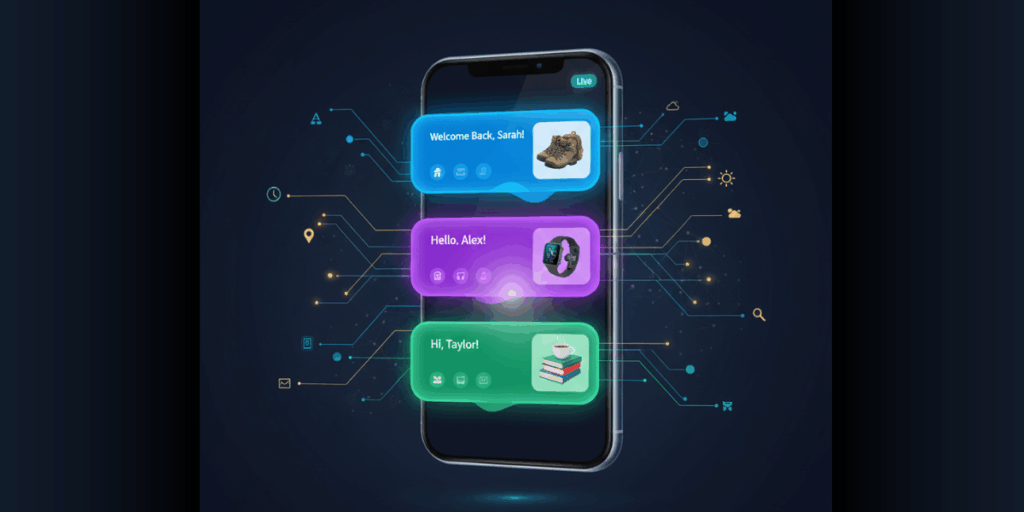
But what if your website could become a living, breathing entity that adapts intelligently to each visitor in the moment? What if the copy, imagery, calls-to-action, and recommended products all shifted in real-time based on a user’s behavior, intent, and context?
This is the new frontier, and it’s powered by the marriage of advanced AI and real-time dynamic content. At Bright Bridge Web, we see this as the definitive evolution of user experience—shifting from broad segments to audiences of one.
What is Real-Time Dynamic Content, Really?
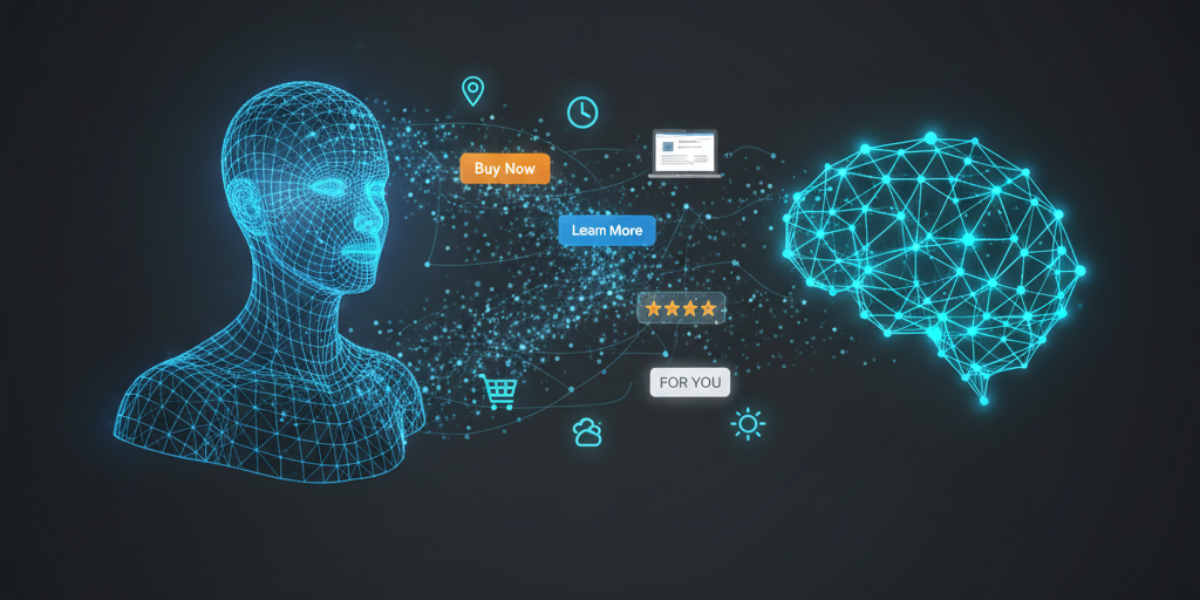
Let’s move beyond the jargon. Real-time dynamic content is website or app copy, media, and layouts that are generated or assembled on the fly for a single user based on live data signals.
Imagine:
- A returning visitor who abandoned their cart sees a hero banner with a specific, limited-time offer for the exact category they were browsing.
- A first-time visitor from a cold social media ad is greeted with an explanatory, trust-building message, while a visitor from a tech review site sees a detailed feature comparison.
- The website’s background and language shift to reflect a local holiday or weather condition when a user logs in.
This isn’t science fiction. It’s the practical application of AI models that process countless data points to predict and serve the most relevant experience possible. This sophisticated use of real-time dynamic content is what separates modern digital products from legacy websites.
The AI Engine Behind the Curtain
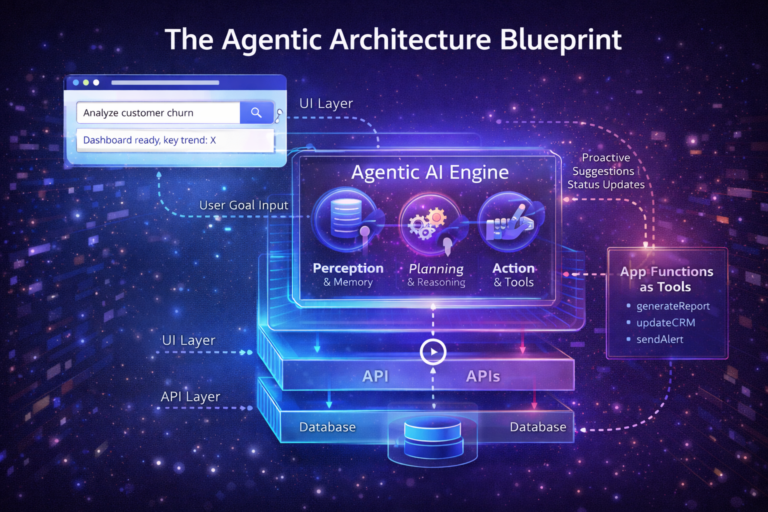
This level of personalization isn’t manual. It’s driven by a sophisticated tech stack:
- Data Aggregation Layer: Collects anonymous behavioral data (clicks, scroll depth, time on page), contextual data (location, device, referral source), and first-party data (past purchases, stated preferences).
- AI/ML Processing Layer: Uses machine learning models to analyze these signals in milliseconds to predict user intent and the most effective content variant.
- Content Assembly Layer: Draws from a pre-built library of content modules (headlines, images, CTAs, product recommendations) to assemble a unique page experience for that user session.
The Tangible Business Benefits of Getting It Right
Implementing a strategy for real-time dynamic content isn’t just a technical flex; it’s a business imperative. Studies by firms like McKinsey & Company show that personalization can drive 10-15% revenue growth for companies that get it right.
- Skyrocketing Conversion Rates: By presenting the most relevant offer or message, you dramatically reduce friction and decision fatigue.
- Dramatically Improved User Engagement: Users stay longer and interact more deeply when they feel the experience is crafted for them.
- Enhanced Customer Loyalty: Personalization at this level creates a “wow” effect that builds emotional connection and brand affinity.
- Optimized Marketing Spend: You increase the efficiency of every marketing dollar by ensuring paid traffic is met with a hyper-relevant landing experience.
Implementing a Real-Time Personalization Strategy: A Practical Roadmap
This doesn’t happen overnight. It’s a strategic journey.
- Start with a High-Impact Area: Don’t try to personalize the entire site at once. Start with your homepage hero section, key landing pages, or product recommendation engines.
- Build a Modular Content Library: Create a bank of alternative headlines, images, and CTAs that can be mixed and matched. This is the fuel for your AI engine.
- Define Your Key Signals: What data matters most? Is it referral source, pages visited, geographic location, or time of day? Prioritize the signals that align with your business goals.
- Choose Your Tech Stack: Leverage platforms like Dynamic Yield, Optimizely, or even headless CMS configurations with a CDN edge network to serve this real-time dynamic content at scale.
- Test, Learn, and Iterate: Use A/B testing to validate which personalized experiences drive the best results. Your AI models will get smarter over time with more data.
The Ethical Imperative: Personalization with Privacy
With great power comes great responsibility. This strategy must be built on a foundation of trust.
- Be Transparent: Have a clear privacy policy and explain how you use data to improve the experience.
- Provide Control: Allow users to opt-out of data collection for personalization.
- Prioritize Anonymity: You can achieve powerful personalization using aggregated and anonymized behavioral data without needing to know a user’s personal identity.
The Bottom Line: The End of the Static Web Page
The future of the web is dynamic, contextual, and intelligent. The one-size-fits-all website is becoming a relic of the past. By embracing AI to deliver real-time dynamic content, you’re not just keeping up with a trend—you’re building a sustainable competitive advantage that resonates with the modern consumer’s expectation for a seamless, relevant, and respectful digital experience.
When executed ethically, this level of personalization becomes one of the most powerful website features that build trust and loyalty.
Ready to build a website that thinks for itself? Bright Bridge Web is at the forefront of creating intelligent, adaptive digital experiences.