
For decades, web design has been a reactive discipline. We build a page, users arrive, and we hope they can figure out what to do. It’s a digital game of “find the needle in the haystack,” and when users fail to convert, we blame the copy or the button color.
But what if your website could stop being reactive and start being predictive? What if it could anticipate a user’s next move, surface the information they need before they even search for it, and gently guide them toward their goal with uncanny intuition?
This is the power of Predictive UX. It’s the shift from a static interface to a smart, adaptive partner that uses data and machine learning to reduce cognitive load and friction at every turn. At Bright Bridge Web, we see Predictive UX not as a fancy add-on, but as the core of high-converting modern web design.
What is Predictive UX? It’s Frictionless Anticipation.
Predictive UX is the practice of using data—like user behavior, context, and historical patterns—to proactively serve the most likely next step or piece of content. This is a natural evolution beyond basic AI-powered personalization, moving from adapting to the present to anticipating the future.
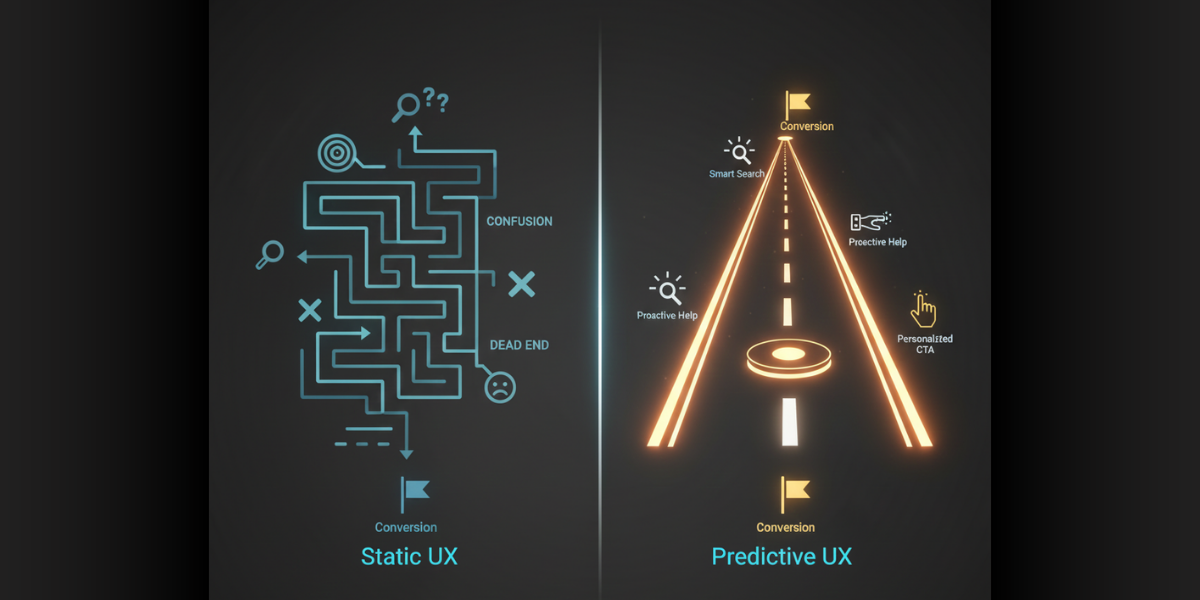
- Static UX: A search bar. The user has to know what to type.
- Predictive UX: A search bar that autocompletes with highly relevant suggestions based on what similar users have searched for, leading to a 90% click-through rate on the “Top Suggestion.”
The goal is to make the user’s journey feel effortless, as if the interface is reading their mind.
How Predictive UX Supercharges Conversions: Real-World Examples
1. The Smart Cart: Beyond “You May Also Like”
Traditional e-commerce suggests related items at checkout. A Predictive UX approach analyzes cart contents in real-time.
- Example: A user adds a laptop to their cart. The system instantly surfaces a compatible docking station and a popular warranty package, bundled at a slight discount. It doesn’t just suggest; it creates a logical, valuable bundle that feels helpful, not pushy.
2. The Proactive Help Desk
Instead of waiting for a user to get stuck and hunt for a “Contact Support” link, Predictive UX identifies confusion and intervenes.
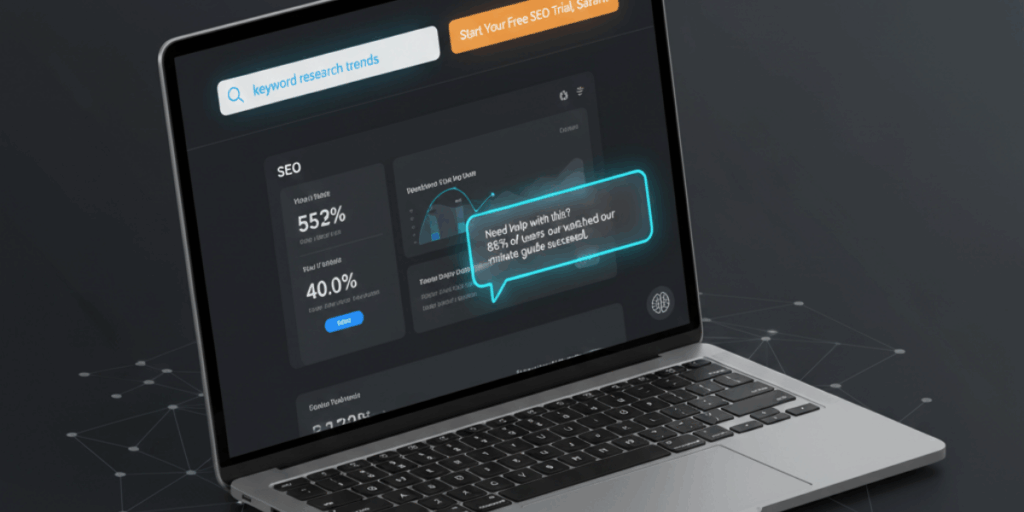
- Example: A user spends over three minutes on a pricing page, scrolling up and down between two plans. A subtle, non-intrusive chat bubble appears: “Choosing between Pro and Business? Let me highlight the key differences.” This prevents frustration and abandoned sign-ups.
3. The Self-Organizing Navigation
Why force every user through the same menu? A Predictive UX model can dynamically reorder navigation items or highlight specific CTAs based on user intent.
- Example: A returning visitor who previously read blog posts about “SEO basics” sees a primary button for “Advanced SEO Workshop” instead of the generic “Get Started.” The path of least resistance is paved for them.
The Engine Room: Data and Machine Learning
Implementing Predictive UX relies on a foundation of data and smart algorithms.
- Data Sources: Clickstream data, session recordings, A/B test results, purchase history, and even referral source.
- The AI Layer: Machine learning models process this data to identify patterns. For instance, they might learn that “80% of users who view pages A, B, and C in sequence are highly likely to convert if shown offer D.”
- The Action: These insights are then used to power the real-time adaptations on your site, creating a truly dynamic Predictive UX.
Getting Started with Predictive UX
You don’t need a team of data scientists to begin. For a deep dive into user behavior analysis, Hotjar’s guide to session recordings is an excellent resource for identifying friction points.
- Start with High-Friction Points: Use analytics to find where users drop off (e.g., complex forms, pricing pages). This is where predictive help will have the most impact.
- Leverage Existing Tools: Platforms like Google Analytics, Hotjar, and many CRM systems already provide the data you need to form initial hypotheses.
- Test and Iterate: Start with a simple rule-based approach (e.g., “If user is on page X for >2 minutes, show help bubble Y”). Measure the conversion lift and gradually introduce more complex, ML-driven logic.
The Bottom Line: The End of Guesswork
Predictive UX marks the end of designing based on hunches. It’s a data-informed, user-centric approach that transforms your website from a passive digital asset into an active growth engine. By anticipating needs and removing friction, you don’t just improve the user experience—you systematically engineer higher conversions.
Ready to make your website smarter? Bright Bridge Web builds intelligent, data-driven experiences that anticipate user needs and drive growth.